NOTIFICATION.

Effective Jan, 2015, we have stop posting on this blog.
Any inconvenience caused is highly regretted. 

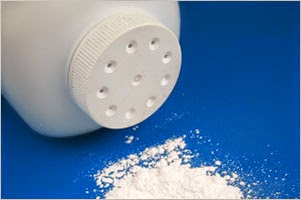
12 Problems That Can Be Solved With Baby Powder

If you believe baby powder is only for keeping skin smooth and fresh, you’re really underestimating its power. Try sprinkling it some on these household woes to unleash its full potential.

1. A knotted necklace
Never waste time desperately tugging at tangled jewelry again. Loosen the knot with a little baby powder and use a pin to pull it apart.

2. Musty furniture
“I like to keep drawers fresh with a sprinkle of baby powder under drawer liners,” says Becky at Clean Mama. “This is especially great with antique furniture that has that old smell.”

3. Greasy hair
Most dry shampoos are starch-based, so baby powder has a similar effect in a pinch. Sprinkle some on your hands and massage it through your scalp to soak up excess oil.

4. A sweltering summer night
Crawling into a hot, sticky bed is no one’s definition of nighttime relaxation. Dust powder between your sheets to help absorb sweat and keep things cool.

5. A stuck-together deck of cards
When poker night gets messy, toss the playing cards into a paper bag with a few tablespoons of powder and give them a good shake. Then wipe them with a paper towel.

6. A family of ants
Keep these intruders out of your kitchen by blocking their path with powder (they’re not fans of the scent).

7. Oily stains
Don’t stress over split salad dressing. Dab any oil-based stain with baby powder to absorb the grease before laundering like usual.

8. Dish glove friction
“After washing dishes, I sprinkle a little powder into my rubber gloves,” says Victoria at Creative Home Keeper. “It helps keep them fresh while they dry and my hands easily slide through the next time.”

9. Squeaky hardwood floors
Pour baby powder onto your wooden floor and sweep it into the cracks to quiet creaking floorboards. Wipe away the excess, and enjoy the sounds of silence.

10. Sandy feet
“Pack a travel size bottle of baby powder in your beach bag,” says Jamielyn at I Heart Nap Time. “At the end of the day, rub it on your skin and sand will come right off.”

11. Wimpy eyelashes
Beauty bloggers swear by this one. In between coats of mascara, use a cotton swab to dust baby powder on your lashes. “I was surprised how much volume it added,” says Huda at Huda Beauty.

12. Sweaty feet
Sprinkle the stuff in your shoes to keep odors at bay. And forget socks — the powder keeps your feet dry so you can go barefoot in flats without worry.

And one place you shouldn’t use baby powder: Around babies. The American Academy of Pediatrics warns against it, since the powder can be dangerous if babies inhale it.

Source:goodhousekeeping.com
 

5 Reasons To Drink Coffee Daily

Here are some health benefits and reasons why you should have a cup of coffee everyday.

Which is better for you- coffee or tea.
The jury is still out on which beverage is better.
But here are some health benefits and reasons why you should have a cup of coffee everyday .

So sip from your mug of coffee
and keep these health risks at bay.

Red Beans – The Most Important Health Benefits

What’s behind tasty beans

Vitamin C, vitamin K, vitamin B1, vitamin B2, vitamin B6, folic acid, calcium, iron, magnesium, phosphorus, potassium, zinc, copper (you tired? We have!), selenium, Omega 3 and 6 fatty acids, fiber , protein and energy, they are treasures hidden in the little red beans!

With every delicious serving of red beans, add an extra “health” and vitality, with only 220 calories.

Let’s see together what makes red beans so healthy and essential to a life full of energy!

1. Wonderful source of antioxidants:
Red beans is one of the richest foods in antioxidants, even richer than blueberries or cherries, according to a study by researchers from the United States Department of Agriculture on 100 fruits, vegetables and nuts. Thus, Frequently consumption of red beans help your body fight free radicals and reduces the risk of cancer or other serious diseases, keeping your youth longer!

2. Essential source of fiber:
A cup of red beans provides half your daily requirement of fiber, which not only keeps the digestive system health, ease digestion and prevent constipation, but shrinks the cholesterol levels, lowering the risk associated with cardiovascular disease and regulate blood sugar levels.

3. A healthy alternative to meat:
When you want a lighter meal or are in post, replacing the consumption of meat with red beans. Excellent source of protein, red beans will help to strengthen your body and muscles, to prevent cardiovascular disease and live a life full of energy! A cup of red beans is over 15 mg of healthy protein for your body.

4. Source of iron:
Let’s do a little test – keep your palm facing you and pull the fingers back. How pink are the lines of your palm ? If they are white, you may suffer from iron deficiency and red beans is a wonderful source of iron, low in calories and fat (as opposed to red meat). Pregnant women, children and teenagers need especially high intakes of iron, and a cup cover of red beans have 30% of the RDA.

5. For a great memory:
Source of thiamine (vitamin B1), red bean consumption stimulates attention and memory, is particularly beneficial during periods of intellectual overloaded, eliminate insomnia, combat depression, fatigue and anxiety and lowers Alzheimer’s risks .

Red Beans – for a long and healthy life.
Besides all the benefits mentioned above, regular consumption of red beans strengthens teeth and bones, can help you lose weight Lower the risk of heart attack and energize your whole body!

How to Treat Cold and Flu Symptoms

Are You Making Your Cold Worse?

A lot of what we believe about the common cold is myth. No, you won't get a cold because you went outside with a wet head or slept in a drafty room. But here's what is true. When you're sick, some common mistakes can make your cold symptoms worse -- or prevent you from getting better.

If you're feeling crummy and stuffed up, here are 7 things that could make your cold worse.

Pretending you're not sick.
This never works. You can't ignore a cold. When you get sick, you need to take care of yourself. Your body needs extra energy when it's fighting an infection. If you try to push through a cold, especially if you have a fever, you'll exhaust yourself. That could make your cold worse.

Not sleeping enough.
Getting enough sleep is key for a healthy immune system. One study found that sleeping less than 7 hours a night almost triples your risk of getting a cold in the first place. If your cold symptoms keep you up at night, try to go to bed earlier or take naps during the day. You need extra rest, however you get it.

Getting stressed.
It turns out that stress can make you more likely to get a cold. Over time, high levels of stress hormones can stop your immune system from working normally. The result: More sick days.

Drinking too little.
You need to drink a lot of fluid when you're sick. Why? Fluids will help thin your mucus, making your sinuses drain better. Just about any fluid will help. Water, juice, hot tea, and soup are all good. Contrary to what you've heard, even milk is OK -- the notion that it causes mucus build-up is a myth.

Drinking alcohol.
Too much alcohol can leave you dehydrated and worsen cold symptoms such as congestion. It can also suppress your immune system and -- potentially -- interact with cold medications you're taking. Until you're feeling better, it's best to lay off the booze.

Overusing decongestant sprays.
Be careful with nasal decongestant sprays. They may work well at first. But if you use them for more than three days, your stuffy nose will get worse when you stop.

Smoking.
Smokers get more colds than nonsmokers. They also get worse colds that last longer. Smoking damages cells in the lungs, making it harder for you to fight off a cold. If you're sick with a cold, don't smoke -- and don't let anyone around you smoke either.

WebMD Medical Reference

Colors And Your Appetite And Eating Habits

If you’re trying to lose weight, you know that listening to your internal hunger cues can help you realize when you’re truly hungry and full. However, there may be more subtle, external nudges that could potentially increase or decrease your appetite. One crafty cue is color.

Scientists agree that color has a significant impact on how appealing or unappealing a food is to you. Just seeing food causes all sorts of reactions in your body. Neurons in a part of your brain called the hypothalamus, which regulates appetite, start firing up. The mere sight of food causes glands in your mouth to start increasing saliva production in preparation for eating.

Red
Results of a new study recently published in Appetite, a scientific journal, found that people ate less food when it was served on a red plate. Perhaps people consumed less on a red plate because oftentimes the color red is associated with danger, warnings or stopping (stop signs come to mind). However, most other studies find the opposite result and have shown that red is actually an appetite-stimulating color. In fact, people find red-colored foods to be the most appealing overall. Red activates your appetite so much that it’s often used in restaurant logos, on menus, and on tablecloths and napkins.

Yellow
The color yellow has also been found to stimulate your appetite because yellow is associated with happiness. Your brain actually secretes more serotonin, a feel-good hormone, when you see yellow. This is why you may have noticed that many restaurants have yellow flowers on the table because yellow makes you feel optimistic and the more optimistic you feel, the more likely you are to splurge on your meal. Similarly to yellow, foods that are orange often elicit feelings of warmth and comfort.

Green
People tend to think that all green foods are healthy, regardless of if the food itself really is nutritious or not. This habit may be traced back to our ancestors’ eating habits. Green foods were often viewed as being safe and weren’t likely to be poisonous or lethal.

White
White foods are often associated with excessive consumption, especially when it comes to snacks. You tend to forget that white foods contain calories and this leads to mindless eating. White foods and foods eaten from white dishware are also less satisfying. Keep your hands away from those white potato chips!

Colors to Curb Your Appetite
Are there certain colors that keep our appetites in check and help limit how much you consume? Research suggests that the color blue suppresses your appetite because there aren’t many naturally-occurring blue-hued foods other than blueberries, gooseberries, eggplant and perhaps bluish-purple potatoes. Long ago when your ancestors were out foraging for sources of food, blue, black and purple signaled that something was poisonous and it’s possible that the behavior of avoiding those colors in food are still with you. Research has found that when foods were dyed blue, people found them much less appealing even if the food tasted good. It’s even been suggested that you put a blue light in your fridge to discourage you from reaching in for more food.

Pink doesn’t stimulate your appetite because it’s somewhat of an unnatural color and often makes people think of raw meat or artificial preservatives.

Gray is another color that people find unappetizing. When was the last time you say a gray food and thought, “Wow, that looks delicious”? Brown foods are also thought to diminish your appetite because brown can be associated with foods that are burnt or overdone.

Source: fitday.com

8 Benefits of Coconut Water You Didn’t Know About

Coconut water is the ultimate thirst quencher and offers a tasty alternative to water. This pure liquid is packed with nutrients that yield an array of health benefits.
Here are 8 Benefits of Coconut Water that explain why it has become so popular:

1. Aids in Weight-loss Efforts.
The fat content in coconut water is extremely low, so generous quantities can be consumed without the fear of immediately packing on the pounds. It also suppresses the appetite and makes you feel full because of its rich nature.

2. Picture-Perfect Skin.
For those with acne or other blemishes on the surface of the skin, topical application of coconut water can go a great distance as it has the ability to clear up and subsequently tone the skin. It also moisturizes the skin from within if ingested orally and eliminates large amounts of oil. This explains why products such as facial creams, shampoos, conditioners and lotions that contain traces of coconut extract are more effective.

3. The Ultimate Hangover Remedy.
Next time you overdo it and drink more than your belly can handle, consume coconut water to settle your stomach. It will also replace those essential electrolytes that exit the body if you experience bouts of frequent urination and vomiting.

4. Facilitates Digestion.
If you constantly encounter difficulty during the digestion process, coconut water may provide a source of relief. Because of its high concentration of fiber, it aids in the prevention of indigestion and reduces the occurrence of acid reflux.

5. Boosts Hydration.
The ingredients in coconut water are way more effective at hydrating the human body than those of sports and energy drinks. During rigorous exercise or extended periods of physical activity, the human body loses mineral-rich fluids. However, coconut water serves as an excellent replacement medium with 294 mg of potassium and 5 mg of natural sugar per glass, unlike your favorite sports drink that only contains half of the potassium content and five times the amount of processed sugar. In addition, the sodium count is only 25 mg, which is relatively low compared to the 41 and 20 mg found in sports drinks and energy drinks respectively.

6. Reduces Blood Pressure.
In many instances, a disproportionate level of electrolytes can result in high blood pressure. Because coconut water contains an adequate supply of each, it can be used as a balancing mechanism. In some instances, it is recommended that coconut water be consumed at the start of each day to foster the balance of these electrolytes.

7. Rich in Nutrients.
Unlike any other beverage on the market, coconut water contains five essential electrolytes that are present in the human body. These include: calcium, magnesium, phosphorous, potassium and sodium. Because of its unique composition, coconut water can be enjoyed by individuals with varying medical conditions.

8. Compatible with Human Blood.
Since it is isotonic to human plasma, coconut water can be used in extreme emergencies to quickly rehydrate the human body if administered intravenously. It is not uncommon for the drink to be used in poorer, third-world countries to save human lives.

How Much Should You Consume?

Coconut water can be enjoyed as a stand-alone beverage or combined with another liquid product. There is no hard and fast rule regarding the amount that should be consumed on a daily basis, but experts from the Mayo Clinic strongly suggest that you consider maintaining an active lifestyle if consuming large amounts of coconut water since each eight ounce serving is accompanied by 45 to 60 calories.

When searching for the perfect fresh coconut to enjoy, be sure to steer clear of those that have a hard brown shell as this is an indication that it is mature. Instead, look for those that are young and green on the exterior as they usually contain a large supply of the actual coconut water substance. To test it out, simply shake the coconut up and down to gauge how much liquid it contains.

Soymilk’s Incredible Health Benefits

The health benefits of soy milk are controversial, in part because (like milk) soy is a common food allergen. However, it is generally accepted that soy milk is a healthy alternative to cow’s milk, and many believe that soy milk is healthier than dairy milk.

Soy milk, which is made from soaking, grinding and boiling soy beans with water, is a very nutritious drink. Soy is naturally high in essential fatty acids, proteins, fiber,vitamins and minerals. These nutrients provide energy and keep your body functioning at its optimum level. Below are the six most important health benefits you can acquire from drinking soy milk.

1. Soy milk contains no lactose
About 75 percent of the world population cannot tolerate lactose. Some ethnic groups are more affected than others. For example 75 percent of Africans and 90 percent of Asians have lactose intolerance.  As an additional benefit, soy milk contains the prebiotic sugars stachyose and raffinose. These prebiotic sugars boost immunity and help decrease toxic substances in the body.

2. Reduces Cholesterol
The saturated fats in cow’s milk are unhealthy and increase your cholesterol. The protein in cow’s milk has no benefits for the cholesterol. Soy protein can decrease cholesterol levels. The FDA (Food and Drug Administration of US) confirms that soy protein, as part of a diet low in saturated fat and cholesterol may significantly reduce the risk of coronary heart. The FDA recommends to incorporate 25 grams of soy protein in your daily meals.

3. It does not cause Insulin 2 Diabetes
Although no general consensus exists among scientists, some studies have shown an association between drinking cow’s milk in early life and the development of insulin dependent diabetes. This association does not exist with soy milk.

4. Contain Vegetable proteins
Vegetable proteins have the advantage that they cause less loss of calcium through the kidneys. It is known that a diet rich in animal (and dairy protein) creates a higher risk for osteoporosis.

5. Contains no Hormones
Cow’s milk contains natural hormones (from the cow) but also synthetic hormones, which can influence the good working of our own body. The synthetic hormone rBGH (recombinant bovine growth hormone) increase milk production by as much as 20 percent.

6. Contains many Isoflavones
The presence of isoflavones is the most important and unique benefit of soy milk. Each cup of soy milk contains about 20 mg isoflavones (mainly genistein and daidzein). Cow’s milk does not contain isoflavones. Isoflavones have many health benefits including reduction of cholesterol, easing of menopause symptoms, prevention of osteoporosis and reduction of risk for certain cancers (prostate cancer and breast cancer). Incidents of these cancers are very low in countries with high intake of soy products, including soy milk. Isoflavones are also antioxidants which protect our cells and DNA against oxidation.

7. Prevents Prostate Cancer
Phytosterols in soy milk mimics the function of human estrogen. Studies have shown that men who regularly eat soy products have significantly lower prostate cancer risks than men who do not.

8. Helps Control Weight
Each cup of plain soy milk contains about 7 grams of sugar and 80 calories. Soy milk also contains fiber which is not present in dairy milk. The extra fiber makes soy milk more filling for natural suppression of your appetite. Additionally, the monounsaturated fatty acids can inhibit fat absorption during digestion and reduce the chance of fat storage.  

9. Protects our heart
Elderly and heart patients are most suited to use soy milk as a dairy alternative. Whole milk contains a significant amount of saturated fat and cholesterol which increase the risk of plaque formation and heart disease. Skim milk does not have this problem, but it is watery and much less appetizing.

Soy milk is naturally cholesterol free with an extra dose of heart-healthy monounsaturated and polyunsaturated fatty acids that can effectively reduce your blood cholesterol level. The phytosterols in soy milk can further improve your heart conditions by controlling your blood pressure and preventing cholesterol absorption in your intestines. Studies have shown that drinking soy milk can lower your risks for atherosclerosis and strokes, making them an effective aid in prevention and treatment of heart diseases.

Source:.fitday.com/care2.com/soya.be

Tips for Power Walking

You don't have to be a runner to get fit. Try good, fast walking instead.

Every hour you spend walking may add 2 hours to your life, research suggests. Brisk walking can help trim your risk of heart disease, stroke, type 2 diabetes, cancer, and depression. To reap the benefits of walking and stay injury-free, try these tips.

Wear comfy, well-fitting shoes. They should be lightweight and breathable. Look for thick cushioning in the heel, good support, and flexibility. Replace them after 3 to 6 months.

Start with a warm-up. Stroll at a comfortable pace for 5 to 10 minutes. Then pick it up for the rest of your walk.

Set goals. Aim for four to six walks every week. "If you're a beginner, shoot for 20 to 30 minutes. If you're more advanced, take it up to 45- or 60-minute sessions," says Juliet Kaska, a certified personal trainer in Los Angeles. Bump it up an extra 10% each week.

Stand tall. Pay attention to your posture. Keep your head up, stomach in, and shoulders relaxed. Lift your chest and engage your abs.

Stride naturally. Point your toes and knees forward. Straighten your front leg but don't lock your knee. Try to land on your heel instead of the middle or front of your foot, then roll your weight forward. Use a natural step length and avoid over-striding.

Squeeze and tighten. Squeeze your glutes and engage your core to strengthen your muscles and cut your risk of injury. "Try not to just walk forward from the thighs or hip flexors," Kaska says. "Squeeze and step."

Swing your arms. Keep your shoulders relaxed so your arms swing freely, and so your back and neck don't tense up. Keep your arms bent. Swinging them will propel you forward and help you move faster. Don't use hand weights. They put stress on your elbows and shoulders.

Try intervals. They're great for endurance and weight loss. Speed up for a minute or 2 every 5 minutes, Kaska says. Or alternate one fast block with one or two slower blocks.
Cool down. Walk at a slower pace for 5 to 10 minutes. Then stretch your hamstrings, calves, chest, shoulders, and back.

Power Walking Tips

Want to intensify your walk? Try these tips from Kaska.

Sneak in other exercises. Midway through your walk, "stop to do some jumping jacks, a few push-ups, or dips off a park bench," she says.

Switch up the terrain. Walking on grass, gravel, or sand is a bit tougher to pull off, so you'll burn more calories.

Wear a weighted vest. But not too heavy. Kaska says it should be no more than 5% to 10% of your body weight. If you're a beginner, try a 1- to 2-pound ankle weight on each leg.

Choose hills. Walking uphill -- or dialing up your treadmill's incline -- strengthens your legs. Be careful going downhill: To ease pressure on your knees, use a slower pace, take shorter steps, and keep your knees slightly bent, Kaska says.

By Kara Mayer Robinson
WebMD Feature
Reviewed by Michael W. Smith, MD

Could Dark Chocolate Ease Poor Leg Circulation?

Perhaps, but experts say there are better ways to obtain beneficial polyphenols.

The antioxidants contained in dark chocolate might help people suffering from reduced blood flow to their legs, researchers from Italy report.

In a small study, people with artery problems in their legs walked a little longer and farther right after eating a bar of dark chocolate, the researchers said.

Dark chocolate is rich in antioxidants called polyphenols. The researchers believe polyphenols improve blood flow to the legs by affecting biochemicals that prompt arteries to widen.

"Our body secretes chemicals that naturally dilate blood vessels in response to certain stimuli, improving the blood flow to certain areas," said Dr. Richard Chazal, vice president of the American College of Cardiology. "Some of the chemicals inside dark chocolate could affect the way these enzymes are metabolized in the body," suggested Chazal, who was not involved with the study.

The pilot study involved 20 people aged 60 to 78 who suffered from peripheral artery disease, a narrowing of the arteries that carry blood from the heart to the legs, stomach, arms and head. Reduced blood flow can cause pain, cramping or fatigue in the legs or hips while walking.

The patients walked on a treadmill in the morning and again two hours after eating 40 grams of dark or milk chocolate -- the size of an average American chocolate bar -- on separate days. The dark chocolate in the study had a cocoa content of more than 85 percent, making it rich in polyphenols. The milk chocolate, with a cocoa content below 30 percent, had far fewer polyphenols, the study authors noted.

After eating dark chocolate, patients walked an average 11 percent farther and 15 percent longer than they did earlier in the day. That's about 39 feet farther and about 17 seconds longer, according to the study, published July 2 in the Journal of the American Heart Association.

Milk chocolate did not improve time or distance, according to study co-author Dr. Lorenzo Loffredo, assistant professor at the Sapienza University of Rome, and colleagues.

The researchers found that levels of nitric oxide, a gas linked to improved blood flow, were higher after eating dark chocolate. They suggested that the higher nitric oxide levels may be responsible for widening peripheral arteries and improving the patients' ability to walk.

Both the results and the theory are "intriguing," said Dr. Mark Creager, director of the Vascular Center at Brigham and Women's Hospital and a professor at Harvard Medical School in Boston.

"The results are certainly interesting but modest, in terms of the walking distance improved," said Creager, who also serves as a spokesman for the American Heart Association. "With information such as this, one would anticipate these investigators will conduct a much larger trial with long-term treatment to confirm their observations."

Creager and Chazal noted that chocolate is also high in fat and sugar, and eating too much can contribute to health problems such as obesity, diabetes and high cholesterol.

"People need to be very aware of the fact that there are many substances in chocolate bars that could have an adverse effect on health," Creager said. "I would not recommend that people eat chocolate bars to improve their walking distance."

Chazal agreed, saying the study's true value lies in identifying the way that polyphenols might affect blood flow to the legs.

Polyphenols also can be found in foods with less added sugar and saturated fats, such as cloves, dried peppermint, celery seed, capers and hazelnuts.

"All of us can get very excited about studies like this, but we have to be very cautious in interpreting it in terms of treatment," Chazal said. "At this point in time, I wouldn't consider dark chocolate to be something people should be taking large amounts of as a therapeutic agent. It's possible that moderate amounts might be helpful, but we need confirmation."

WebMD News from HealthDay
By Dennis Thompson, HealthDay Reporter

Bicyclists Happier Than Drivers, Train Riders?

Car passengers are generally in a good mood, too

(Health Day News) - Riding a bike may benefit your mind as well as your body. People who use a bicycle to get from one place to another are generally happier than those who drive or use mass transit, according to a new study.

"We found that people are in the best mood while they are bicycling compared to any other mode of transportation," said the study's lead author, Eric Morris, an assistant professor of city and regional planning at Clemson University in South Carolina. "Bicyclists are generally younger and physically healthy, which are traits that happier people usually possess," said Morris in a university news release.

The researchers examined how people's emotions differed while they were traveling. Using data collected by the Bureau of Labor Statistics, they assessed feelings such as happiness, pain, stress, fatigue and sadness. The means of travel was also taken into account.

According to the study, recently published in the journal Transportation, bicyclists are a distinct group of people who generally love riding.

Trailing behind bicyclists, car passengers are the second happiest travelers. Car drivers came in third.

At the opposite end of the spectrum, bus and train riders are the unhappiest travelers. But trains and buses are usually used to commute to work, which might explain why folks taking these forms of transportation are less enthusiastic.

Commuters' emotional experience is as important as speed and travel time, the researchers said.

"Understanding the relationship between how we travel and how we feel offers insight into ways of improving existing transportation services, prioritizing investments and theorizing and modeling the costs and benefits of travel," said Morris.

 WebMD News from HealthDay

Methanol Can Be Deadly.


Make sure there's no methanol in your mampoer.

Methanol is a type of alcohol that is extremely toxic to humans.Here’s why it is sometimes used in home-brewed liquor and why it is so deadly.

Over 100 people have died in Kenya after ingesting alcohol that contained industrial methylated spirits. Methanol, also known as wood alcohol or methyl alcohol is toxic to humans, except in very small quantities.

Methanol usually occurs naturally in very small digestible quantities in legal drinks, but in larger quantities (usually found in illegally brewed liquor) it can be a killer. Some people believe that it is the small quantity of methanol and acetone in alcoholic drinks that cause hangovers rather than the ethanol.

Methanol is a widely used industrial chemical that is found in anti-freeze, building materials, car parts, plastics and paints. Worldwide, more than 75 billion litres of methanol is produced and used in industrial setting each year.

Ethanol vs. methanol

The alcohol used in normal legally brewed and sold liquor is called ethyl alcohol orethanol. This only differs from methanol by one carbon and two hydrogen atoms, but it’s enough to cause a critical difference in the liver’s ability to metabolise it. Ethanol alcohol (in reasonable quantities) metabolises quickly into carbon dioxide and water, with which the body can cope easily. But the liver converts methanol into formaldehyde, which in turn causes a build-up of formic acid

This quickly damages the ocular nerve, causing blindness. When taken in any significant quantities it can lead to death.

Other symptoms of methanol poisoning include drunkenness, headaches and gastric pain, vomiting, and liver failure. Symptoms take up to 12 -14 hours to manifest, whereas the symptoms of over-consumption of ethanol manifest much more quickly.

According to the National Institutes of Health, 2g of methanol is considered a safe dose, but 8g can be seriously toxic.

Why methanol?

The reasons why home-brewers sometimes use methanol instead of ethanol can be either greed or ignorance, or both. Methanol is cheaper than ethanol, and is sometimes stolen from manufacturing plants or farm storage rooms by people who are unaware of its lethal properties. They confuse it with normal ethanol. They either drink it themselves or use it to pad out illegally brewed liquor to increase their profit margins. Producers of legally retailed alcohol often have to pay high government taxes, whereas home brewers slip through the net.

To discourage people from consuming industrial products containing normal ethanol, methanol is sometimes added. The result is known as methylated spirits. The drink is then not fit for human consumption.

Who controls alcohol production in SA?

The production of alcoholic beverages and foodstuffs is controlled in South Africa by the Department of Agriculture, Forestry and Fisheries, but it is generally accepted that much home-brewed liquor is sold in unlicensed liquor outlets. It is usually from these sources that methanol-laced alcohol finds its way onto the market. This tends to be a worldwide phenomenon.
 
According to the World Health Organization, in 2005, South African adult per capita alcohol consumption equalled 9.5 litres of pure alcohol. Of this, 26,3% was estimated to be homemade and illegally produced alcohol. The world average of alcohol consumption per capita is 6,13 litres, making South African consumption above average.

Sources: Livescience.org/ National Institutes of Health/ methanol.org/ Health24.com/ ara.co.za/ Sapa)


Five Reasons to Eat Watermelon

Studies link the summer treat to many health benefits.
 
Big, sloppy slices of watermelon served at a picnic table are the quintessential summer snack—sweet enough to be dessert but, as several recent studies remind us, good for our health as well. (And only 84 calories per wedge!)
 
1. It soothes sore muscles.
 
According to a new study in the Journal of Agricultural Food and Chemistry, drinking watermelon juice before a hard workout helped reduce athletes' heart rate and next-day muscle soreness. That's because watermelon is rich in an amino acid called L-citrulline, which the body converts to L-arginine, an essential amino acid that helps relax blood vessels and improve circulation.
 
The study's seven participants, all men, were given 17 ounces (500 mL) of either natural watermelon juice, watermelon juice enriched with additional citrulline, or a placebo drink an hour before their workouts. Interestingly, the natural juice was just as effective as the enriched juice. The researchers also determined that intestinal cells can absorb more citrulline from watermelon juice than from citrulline supplements, especially when the juice is unpasteurized.
 
2. It helps heart health.
 
Postmenopausal women experienced improved cardiovascular health after six weeks of taking commercially available watermelon extract supplements containing citrulline and arginine, according to a study published earlier this year by Florida State University physiologist Arturo Figueroa.
 
And in a 2012 study—also led by Figueroa—such supplements helped alleviate high blood pressure in obese, middle-aged adults. (Not surprisingly, he's received two grants from the Watermelon Promotion Board.)
 
3. It could be a natural Viagra.
 
Improved circulation can benefit more than just the heart, as at least one watermelon researcher has pointed out. But you'd probably have to eat an awful lot to achieve the desired effect--and eating too much could cause unfortunate side effects, since watermelon has long had a reputation as a natural diuretic.
 
4. It's rich in vitamins and minerals, but low in calories.
 
Given its name, you might assume the fruit has little nutritional value—and it is more than 90 percent water. But a 10-ounce (300-mL) wedge of watermelon packs in about one-third of the recommended daily value of vitamins A and C, as well as a modest amount of potassium (9 percent of the daily value).
 
5. It could even combat cancer.
 
Watermelon is among the best dietary sources of lycopene, an antioxidant linked to both the prevention and treatment of prostate cancer, although scientists are still investigating the details of that connection.
 
Amanda Fiegl
National Geographic


Dark Chocolate's Health Secrets

Scientists Probe Dark Chocolate's Health Secrets

Heart benefits may stem from reaction in stomach bacteria, research suggests
 
It's said that dark chocolate can be good for your heart, and new research may have uncovered why.
 
Louisiana State University researchers tested cocoa powders in a model of the digestive tract and found that certain bacteria in the stomach eat dark chocolate, ferment it and then release anti-inflammatory compounds that benefit the heart.
 
The study was scheduled for presentation Tuesday at a meeting of the American Chemical Society in Dallas.
 
"We found that there are two kinds of microbes in the gut: the good ones and the bad ones," Maria Moore, an undergraduate student and one of the study authors, said in a society news release.
"The good microbes, such as Bifidobacterium and lactic acid bacteria, feast on chocolate," Moore said in the news release. "When you eat dark chocolate, they grow and ferment it, producing compounds that are anti-inflammatory."
 
Study leader John Finley, a professor in LSU's department of food science, said, "When these compounds are absorbed by the body, they lessen the inflammation of cardiovascular tissue, reducing the long-term risk of stroke."
 
Finley said he believes this is the first study to examine dark chocolate's effects on different types of stomach bacteria.
 
The researchers also found evidence that people could gain even greater health benefits if they eat dark chocolate with solid fruits such as pomegranates and acai.
 
Data and conclusions presented at meetings typically are considered preliminary until published in a peer-reviewed medical journal.
 
WebMD News from HealthDay
By Robert Preidt
HealthDay Reporter