Personality Secrets to a Long Life

Researchers Find Centenarians Optimistic, Extroverted, Positive; Some Became That Way Later in Life

A new study may offer some tips to help you stick around for your 100th birthday.

Try to be optimistic, easygoing, sociable, and conscientious. Don't bottle up your feelings. Suppress the urge to talk ill of others, the new research suggests.

That combination of personality factors seems to describe the secrets of living to 100, says researcher Nir Barzilai, PhD, director of the Institute for Aging Research at Albert Einstein College of Medicine in the Bronx, N.Y.

Those findings are among the latest from Barzilai's ongoing Longevity Genes Project.

While Barzilai found that those personality factors offer more clues to longevity, he has a caveat: "Still the No. 1 predictor for being a centenarian is if you have parents who are centenarians."

Even so, he is trying to answer the question: "Are the genes that are longevity genes also personality genes?"

The new research is published in the journal Aging.

Longevity & Personality Study
 
Living to 100 years old is still rare. About 53,000 people in the U.S., or 0.2% of the population, are 100-plus. However, the number of centenarians has been increasing about 8% a year, Barzilai says.

And that has captured his research interest and that of others around the country. "There are several groups doing studies on centenarians," Barzilai says.

Some research has already suggested that centenarians share particular personality traits.

Among them: being extroverted and agreeable.

Barzilai decided to look more closely at genetically based personality characteristics.

He recruited 243 centenarians. He gave them and their family members questionnaires that asked if they had characteristics such as optimism.

He gauged how easygoing they were, how outgoing, and how much they laughed. He looked at how freely they expressed emotions.

He looked at characteristics like conscientiousness, such as a tendency to be self-disciplined.

He looked at neuroticism, a tendency to express negatives emotions such as anxiety, anger, or guilt.

He compared their scores to averages found in the U.S. population.

He also did a validation study to reduce the impact of any mental impairment. Nineteen centenarians and 26 of their children participated in the validation study.

In general, he found those who live to 100:

• Are outgoing
• Are positive -- not the type to talk ill of others
• Laugh often
• Express emotions
• Are conscientious
• Are not neurotic

The link he found is just that, Barzilai says. "It doesn't mean there is a cause-and-effect relationship."

One problem, he says, is they don't have -- and can't have -- a comparison group. "Their friends died years ago, and younger people won't work [as a comparison group]," he says.

One surprise? Some of the 100-year-olds, he found out, were not always easygoing and agreeable, he says. He found that out while talking to some of the centenarians' children.

"There is some adaptation with age," he says. "You try to focus on the good things and not on the bad."

"If they are getting hit [with problems]," he says of his centenarians, "they roll with the punches and they smile. When they are healthy and they get to 100, they are very agreeable.''

The easygoing personalities didn't hold across the board. He tells of one woman's daughter who confided that her mother was mean.

Later, her siblings declined to even talk to Barzilai for the study because they had nothing to do with their mother.

Personality & Longevity: Perspective

"I really believe these are some of the mechanisms [of longevity]," says Daniela Jopp, PhD, assistant professor of psychology at Fordham University.

Her own research on centenarians has found some similar links. She reviewed the study findings.

"We know personality has a strong genetic background," she says. Those who live to 100, Jopp says, "seem to have a very special psychological makeup."

Those who age successfully adjust their expectations about health, she has found. They accept a few aches and pains, she says. They don't focus on complaints, such as having trouble sleeping.

Based on her work and that of others, Jopp says for now she can give this advice to those who want to make it to 100: "Don't get too stressed out," she says.

"People who are optimistic and look positively into the future have not only a better time, but it may help them live longer," she says.

In her research, she finds those living to 100 tend to be well aware of their limited life expectancy, but to continue to make plans anyway.

By Kathleen Doheny
WebMD Health News
Reviewed by Laura J. Martin, MD

Type 2 Diabetes - Learn the Warning Signs

What Is Type 2 Diabetes?
Type 2 diabetes strikes people of all ages, and early symptoms are subtle. In fact, about one out of three people with type 2 diabetes don't know they have it. This chronic condition thwarts the body's ability to use the carbohydrates in food for energy. The result is elevated blood sugar. Over time, this excess sugar raises the risk for heart disease, loss of vision, nerve and organ damage, and other serious conditions.

Diabetes Warning Sign: Thirst
People with type 2 diabetes frequently have no symptoms. When symptoms do appear, one of the first may be an increase in thirst. This is often accompanied by additional problems, including dry mouth, increased appetite, frequent urination -- sometimes as often as every hour -- and unusual weight loss or gain.

Diabetes Warning Sign: Headaches
As blood sugar levels become more abnormal, additional symptoms may include headaches, blurred vision, and fatigue.

Diabetes Warning Sign: Infections
In most cases, type 2 diabetes is not discovered until it takes a noticeable toll on health. One red flag is troubling infections, such as:
• Cuts or sores that are slow to heal
• Frequent yeast infections or urinary tract infections
• Itchy skin, especially in the groin area

Diabetes Warning Sign: Sexual Dysfunction
Sexual dysfunction is common among people with diabetes. Diabetes can cause damage to blood vessels and nerve endings in the genitals, leading to a loss of feeling and making orgasm difficult. Other complications can include vaginal dryness and impotence in men. It's estimated between 35% and 70% of men with diabetes will have at least some degree of impotence in their lifetime. And about 1 in 3 women with diabetes will experience some form of sexual dysfunction.

Risk Factors You Can Control
Some health habits and medical conditions related to your lifestyle can increase the odds of developing type 2 diabetes, including:
• Being overweight, especially at the waist
• A sedentary lifestyle
• Smoking
• A diet high in red meat, processed meat, high-fat dairy products, and sweets
• Abnormal cholesterol and blood fats, such as HDL "good" cholesterol lower than 35 mg/dL or a triglyceride level over 250 mg/dL

Risk Factors You Can't Control
Other risk factors are out of your control, including:
• Race or ethnicity: Hispanics, African Americans, Native Americans, and Asians have a higher than average risk.
• Family history of diabetes: Having a parent or sibling with diabetes boosts your risk.
• Age: Being 45 and older increases your risk of type 2 diabetes.
The more risk factors you have, the greater your odds of developing type 2 diabetes.
 
Risk Factors for Women
Having gestational diabetes when you're pregnant puts you at higher risk for developing type 2 diabetes later on. Women who give birth to a baby weighing over 9 pounds are also at risk. Having a history of polycystic ovary syndrome can also cause insulin resistance that can lead to diabetes.
 
How Does Insulin Work?
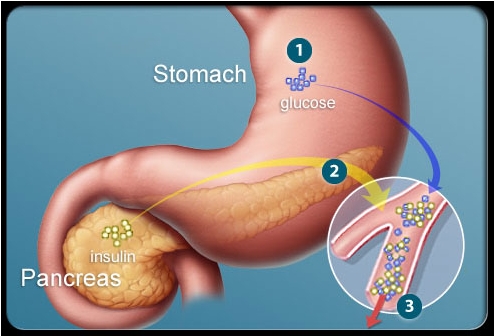
In a healthy person, insulin helps turn food into energy -- in an efficient manner. The stomach breaks down carbohydrates from food into sugars, including glucose. Glucose then enters the bloodstream, which stimulates the pancreas to release insulin in just the right amount. Insulin, a hormone, allows glucose to enter cells throughout the body, where it is used as fuel. Excess glucose is stored in the liver.
 

Type 2 Diabetes: Metabolism Mishaps
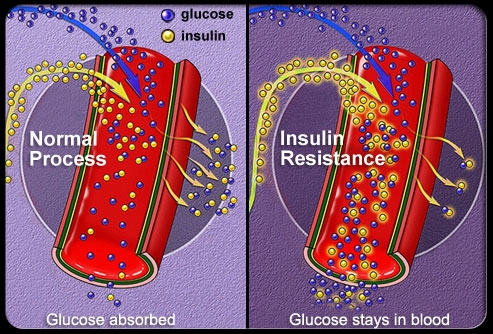
In type 2 diabetes, the cells cannot absorb glucose properly. That means glucose levels in the blood become elevated. If you've developed a condition called insulin resistance, the body makes excess insulin, but the muscle, liver, and fat cells do not use or respond properly to the insulin. With long-standing uncontrolled type 2 diabetes, the pancreas will reduce the amount of insulin it produces.


Diagnosing Type 2 Diabetes
A simple blood test can diagnose diabetes. The A1C test gives a snapshot of your average blood glucose level over the past 2-3 months. An A1C level of 6.5% or higher may indicate diabetes. With a fasting plasma glucose test, a result above 126 is considered diabetes. Your doctor may order an oral glucose challenge test with a two-hour blood test. In people with classic symptoms of diabetes, a random blood glucose level of greater than 200 can help diagnosis diabetes.
 
Managing Diabetes: Diet
Fortunately, controlling blood sugar levels by changing diet can also cut your risk of complications. People with type 2 diabetes should carefully monitor carbohydrate consumption, as well as total fat and protein intake, and reduce calories. Ask your doctor for a referral to a registered dietitian to help you with healthy choices and an eating plan that will work for you.
 
Managing Diabetes: Exercise
Routine exercise, such as strength training or walking, improves the body's use of insulin and can lower blood sugar levels in people with type 2 diabetes. Being active also helps reduce body fat, lower blood pressure, and protect against heart disease. People with type 2 diabetes should try to get 30 minutes of moderate exercise on most days of the week.
 
Managing Diabetes: Stress Reduction
Stress can cause blood pressure to rise. It can also increase glucose levels in your blood as part of your "fight or flight" response. Or you may turn to food to cope with stress. All are bad when living with diabetes. Instead of letting stress take its toll, try practicing relaxation techniques such as deep breathing, meditation, or visualization. Sometimes talking to a friend, family member, counselor, or member of the clergy can help. If you're still battling stress, reach out to your doctor.
 
Managing Diabetes: Oral Medication
When people with type 2 diabetes are unable to control blood sugar sufficiently with diet and exercise, medication may be added. There are many types of diabetes pills available, and they are often used in combination. Some work by stimulating the pancreas to make more insulin, and others improve the effectiveness of insulin, or block the digestion of starches.
 
Managing Diabetes: Insulin
Your doctor may prescribe insulin early on in your treatment and in combination with pills. Insulin is also used in people with type 2 diabetes who develop "beta-cell failure." This means the cells in the pancreas no longer produce insulin in response to high blood sugar levels. In this case, insulin therapy -- injections or an insulin pump -- must become part of the daily routine.
 
Non-Insulin Injectables
New drugs are available for people with type 2 diabetes. Pramlintide (Symlin), exenatide (Byetta), and liraglutide (Victoza) are non-insulin injectable drugs. Whereas insulin pulls glucose into the cells, these medications cause the body to release insulin to control blood sugar levels.
 
 
Glucose Testing
Testing your blood glucose level will let you know how controlled your blood sugars are and if you need to take actions to change your treatment plan. How often and when you test will be based on how controlled your diabetes is, the type of therapy used to control your diabetes, and whether you are experiencing symptoms of fluctuating sugars. Talk with your doctor to find out how often you should use a glucose meter to check your blood sugar. Some common testing times may be when waking up, before and after meals and exercise, and at bedtime.

Continuous glucose monitor (GGM) may be useful to those with type 1 diabetes to help lower their blood glucose.

Long-Term Damage: Arteries
Over time, untreated type 2 diabetes can damage many of the body's systems. About two out of three people with diabetes die of heart disease. Having diabetes also puts you at a two to four times higher risk for stroke. People with diabetes are likely to develop plaque in their arteries, reducing blood flow and increasing risk of clots. This hardening of the arteries (atherosclerosis) raises the risk of heart attack and stroke.

Long-Term Damage: Kidneys
The longer you have diabetes, the greater the risk of developing chronic kidney disease. Diabetes is the leading cause of kidney failure, accounting for 44% of new cases in 2008. Controlling risk factors such as uncontrolled diabetes, high blood pressure, and high cholesterol reduces your risk of developing this complication. Annual screening for kidney disease and medications, which slow the development and progression of kidney disease, are used to reduce your risk of kidney failure.
 
Long-Term Damage: Eyes
High blood sugar can damage the tiny blood vessels that bring oxygen and nutrients to the retina, a critical part of the eye. This is known as diabetic retinopathy, and it can cause progressive, irreversible vision loss. It is the leading cause of new cases of blindness in people between the ages of 20 and 74. Pools of blood, or hemorrhages, on the retina of an eye are visible in this image.
 
Long-Term Damage: Nerve Pain
Over time, uncontrolled diabetes and elevated blood sugars create a very real risk for nerve damage. Symptoms can include tingling, numbness, pain, and a pins and needles sensation -- often in the fingers, hands, toes, or feet. The damage is not reversible, but treatments can help with the pain and numbness. And controlling your diabetes can help prevent further damage.
 
Long-Term Damage: Feet
Diabetic nerve damage can make it difficult to feel your feet and detect injury. At the same time, hardening of the arteries results in poor blood flow to the feet. Foot sores and gangrene can occur, even from small injury. In severe cases, infections can go unchecked and result in an amputation.
 
 
Preventing Type 2 Diabetes
One of the most astonishing things about type 2 diabetes is that such a life-altering condition is often preventable. To lower your risk, follow the same guidelines for warding off heart disease:
• Eat a healthy diet.
• Exercise for 30 minutes, five days a week.
• Maintain a healthy weight.
• Talk to your doctor about being screened for prediabetes.
 
In people with prediabetes, lifestyle changes and medication can help prevent the progression to type 2 diabetes.
 

The Types of Coughs and What They Mean

The Doctors explain different sounding coughs, and whether you should treat it yourself or call your doctor.

Get healthier by lunchtime


More than 30 percent of us start our days on an empty stomach. "People think they don't have time for breakfast, or that skipping it will help shed extra pounds," says Tanya Zuckerbrot, R.D., author of The F-Factor Diet (the "F" stands for "fiber"). "But both are completely untrue." In fact, people who do eat a morning meal are nearly 50 percent less likely to be obese than those who don't, according to a Harvard University study. Here, more ways breakfast can boost your health, plus how to fit it into your busy life.

Breakfast bonus #1: It gives you the nutrients you need.
Skipping breakfast makes it a lot harder to get the recommended daily dose of most vitamins and nutrients. Morning meals such as whole-grain cereal with milk and low-fat yogurt with granola provide calcium and fiber (nutrients many Americans are deficient in). "Breakfast is the healthiest meal most people eat," says Elizabeth Somer, R.D., author of 10 Habits That Mess Up a Woman's Diet. "And breakfast eaters tend to have a healthier diet overall."

Breakfast bonus #2: It can help you lose weight.
When your body goes without food, it burns calories slowly to conserve energy. Eating after an overnight fast jump-starts your metabolism, which means more efficient calorie burning all day, says Zuckerbrot. But what you eat is key. Simple carbohydrates (like a doughnut or most cereal bars) make your glucose (blood sugar) spike and then drop, leaving you starving by 11 a.m. and craving sugary foods, says Somer. A smarter start: complex carbs like oatmeal or whole-grain toast. High in fiber and low in sugar, they digest slowly, providing steady energy to keep you full and minimize cravings.

Breakfast bonus #3: It'll boost your brainpower.
Students who ate breakfast scored an average of 22 percent higher on word-recall tests than those who didn't, according to a University of Wales-Swansea study. When you wake up, much of your energy—in the form of glucose and glycogen (stored glucose)—has been used up since yesterday. Glucose is the only fuel used by your brain, says Somer, so without it, you'll feel fatigued and mentally fuzzy.

Breakfast bonus #4: It can help protect you from disease.
Healthy women who skipped breakfast for two weeks developed higher levels of "bad" low-density lipoprotein (LDL) cholesterol than women who ate a bowl of fiber-rich whole-grain cereal with milk, according to a recent study. Fiber binds with cholesterol and speeds its excretion—before it reaches your arteries, says Zuckerbrot. Because of this, high fiber intake has been linked to an almost 50 percent reduction in heart disease over 10 years, according to the Harvard Nurses' Health Study. Research also suggests that fiber helps shuttle excess estrogen out of the body—good news, since elevated levels can up breast cancer risk.

What to Eat
A healthy breakfast should contain at least 5 grams of fiber, one serving of calcium (equal to a cup of milk or yogurt), and some protein and fat. Also, limit added sugars to about 6 grams (1 teaspoon equals 4 grams). The following meal suggestions fit the bill.

If you're on the run:
Order a latte with skim milk and grab a Gnu Foods Flavor & Fiber Bar (available at gnufoods.com).

If you have a few minutes:
Pour a bowl of cereal such as Kashi GoLean, Post Original Shredded Wheat 'n Bran, or Barbara's Bakery Original Puffins with skim milk. Toss in some thawed frozen berries.

If you're at your desk:
Bring a Polly-O cheese stick and eat with a serving of whole-grain crackers and a glass of tomato juice.

If you like to prepare the night before:Put your favorite fruits and low-fat yogurt in a blender and stash in the fridge. In the morning, simply blend and pour into a to-go cup.

Not Hungry in the Morning?
Stop eating after 8 o'clock at night—within two to three weeks your body's appetite clock will reset and you'll wake up hungry, suggests Zuckerbrot.

Source:
WebMD Feature from "Redbook" Magazine by Jessica Decostole
Related content on redbookmag.com

Good Sources of Protein

Good Protein

Protein can help you shed those unwanted pounds and keep your belly full. But it's important to eat the right amount and the right kind of protein to get the health benefits.

Seafood
Seafood is an excellent source of protein because it's usually low in fat. Fish such as salmon is a little higher in fat, but it is the heart-healthy kind: omega-3 fatty acids.

White-Meat Poultry
Stick to the white meat of poultry for excellent, lean protein. Dark meat is a little higher in fat. The skin is loaded with saturated fat, so remove skin before cooking.

Milk, Cheese, and Yogurt
Not only are dairy foods -- like milk, cheese, and yogurt -- excellent sources of protein but they also contain valuable calcium, and many are fortified with vitamin D. Choose skim or low fat dairy to keep bones and teeth strong and prevent osteoporosis.

Eggs
Eggs are one of the least expensive forms of protein. The American Heart Association says normal healthy adults can safely enjoy an egg a day.

Beans
One-half cup of beans contains as much protein as an ounce of broiled steak. Plus, these nutritious nuggets are loaded with fiber to keep you feeling full for hours.

Pork Tenderloin
This great and versatile white meat is 31% leaner than 20 years ago.

Soy
Fifty grams of soy protein daily can help lower cholesterol about 3%. Eating soy protein instead of sources of protein higher in fat -- along with a healthy diet -- can be heart healthy.

Lean Beef
Lean beef has only one more gram of saturated fat than a skinless chicken breast. Lean beef is also an excellent source of zinc, iron, and vitamin B12.

Protein on the Go
Grab a meal replacement drink, cereal bar, or energy bar. Check the label to be sure the product contains at least six grams of protein and is low in sugar and fat.

Protein at Breakfast
Research shows that including a source of protein like an egg or Greek yogurt at breakfast along with a high fiber grain like whole wheat toast can help you feel full longer and eat less throughout the day.

SOURCE:
Kathleen M. Zelman, MPH, RD, Director of Nutrition for the WebMD Weight Loss Clinic